
"coffee cup transport"
5000 article(s) found

A brief introduction to the cultivation of Bolivian boutique coffee beans with balanced taste, geographical location, climate and altitude
The early Bolivian coffee was of low quality and the market was very poor. Usually the picked coffee fruit is bumped all the way to the processing plant after a simple peeling treatment. Due to the imperfect infrastructure, the traffic is underdeveloped. Coffee farmers have to overcome the rugged mountain road and transport the beans to the higher altitude area of La Paz for washing. If the coffee fruit can not be delivered to the processing in time

Drinking coffee in a five-star hotel, more than 90% of the respondents valued the environment the most.
Lobby, 33rd floor, Grand Hyatt Hotel. Shekou Hilton lobby bar coffee. Readers of the Reggie Hotel Lobby Bar who take part in the large list questionnaire will have the opportunity to receive tickets to the window of the World. Three lucky readers will be randomly selected for each issue. For more information, please follow the Shenzhen version of the Olympian homepage. Five-star hotel has always been the benchmark of consumer service industry and the entrance to know the high-end consumption of a city.

Introduction to the unique flavor and taste of Indonesian Java boutique coffee
The Republic of Indonesia is divided into the Greater Jakarta Capital Zone, the Yogyakarta Special Zone, the Aceh Special Zone, and 30 provinces, with a total of 33 first-level districts. The second-level administrative region has 396 counties and 93 cities (2014 statistics). Other major economic cities include Surabaya and Wan

Overall taste rich Bolivian coffee variety characteristics Taste Manor boutique coffee bean flavor medium
Bolivia is a landlocked country in central South America, bordered by Brazil in the northeast, Paraguay in the southeast, Argentina in the south, Chile in the southwest and Peru in the west. The main terrain is plateau. Bolivia is the highest plateau country in the world, with an average altitude of more than 3000 meters. The capital La Paz is 3660 meters above sea level and is known as the highest capital in the world. Three points in Bolivia
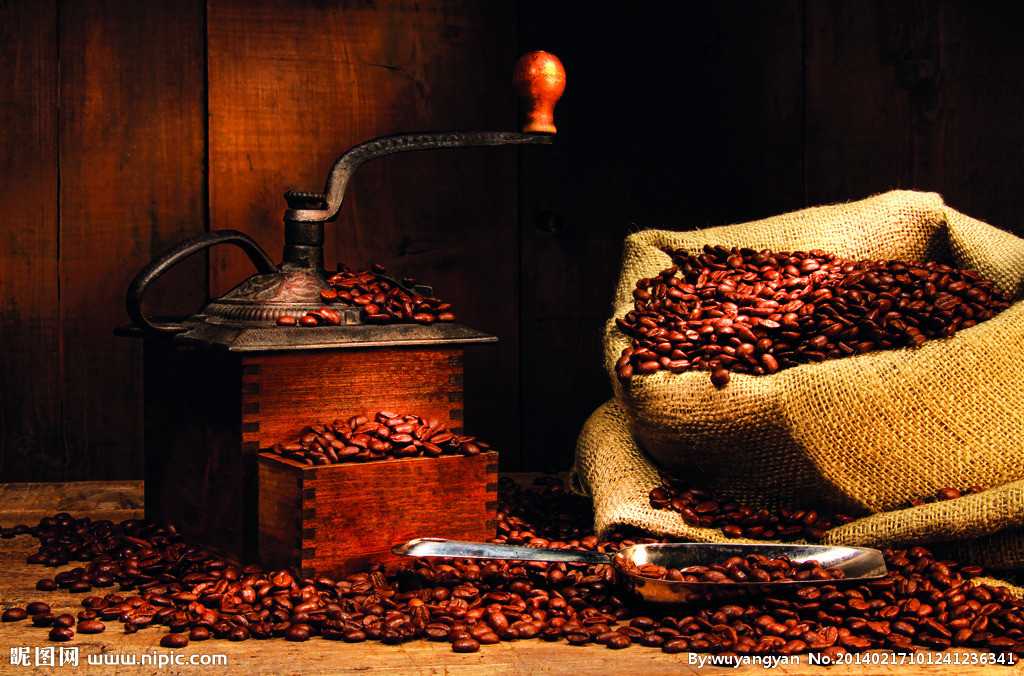
The overall rich taste of Bolivian coffee varieties taste manor boutique coffee bean flavor introduction
Bolivia is a landlocked country in central South America, bounded by Brazil in the northeast, Paraguay in the southeast, Argentina in the south, Chile in the southwest and Peru in the west. The main topography is the plateau. Bolivia is the highest plateau country in the world, with an average elevation of more than 3000 meters. La Paz, the capital, is as high as 3660 meters above sea level, which is known as the highest capital in the world. Three points in Bolivia

A brief introduction to the history and culture of the origin and development of Bolivian boutique coffee beans with rich sour taste
The early Bolivian coffee was of low quality and the market was very poor. Usually the picked coffee fruit is bumped all the way to the processing plant after a simple peeling treatment. Due to the imperfect infrastructure, the traffic is underdeveloped. Coffee farmers have to overcome the rugged mountain road and transport the beans to the higher altitude area of La Paz for washing. If the coffee fruit can not be delivered to the processing in time

A brief introduction to the cultivation of exquisite Bolivian boutique coffee beans, geographical location, climate and altitude
If the coffee fruit is not delivered to the processing plant in time, it is easy to ferment and rot on the wet mountain road. As a result, the coffee of good quality has been destroyed. Bolivia has made a lot of efforts to improve the quality of coffee, stimulate the enthusiasm of coffee farmers and make coffee farmers have a deeper understanding of fine coffee. After the introduction of COE events, 2004

A brief introduction to the planting Market Price of Fine Coffee Bean varieties in Xuemai Manor
Bolivia is 1/3 of the Andean mountains, rugged terrain, mainly road transport, accounting for more than 85% of transportation. The main railway and road networks are concentrated in the west, and remote areas rely on air communication. But road coverage is the lowest in South America. And there is also the Ronggas Highway, the world's first insurance road known as the road to death. There is no developed economy here. It is the poorest in South America.

The impact of vacuum packaging of oxygen, temperature and humidity on the quality of raw coffee
The three factors that affect the quality of coffee during transportation and storage are oxygen, temperature and humidity. Oxygen: oxygen has such an adverse effect on coffee that some articles call it a pollutant. When coffee interacts with oxygen, it will lead to oxidation or even deterioration of flavor molecules, resulting in peculiar smell and light taste. Temperature: the ideal temperature range for coffee storage is 20-2

Coffee beans Old mocha coffee
Cafe Mocha is one of the oldest types of coffee, dating back to the origins of coffee. Mocha is a blend of espresso, chocolate sauce, whipped cream and milk. Mocha takes its name from the famous Mocha Harbor. In the fifteenth century, the outward transportation industry of non-coffee countries in the Middle East was not prosperous. Yemen Mocha was a major export port near the Red Sea at that time.
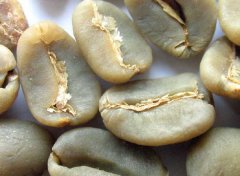
Water content of coffee beans processed and stored fresh coffee beans fresh coffee
Boutique coffee has a rich and beautiful taste. Even if the coffee made of boutique coffee beans is not all fine coffee, it depends on whether it gives full play to the characteristics of coffee beans, whether it has a good taste, if not, it can not be called boutique coffee. The term boutique coffee was first coined by Ms. Knudsen of the United States in Coffee and Tea magazine, when

Flavor and taste characteristics of Uganda coffee beans _ recommendation of Uganda coffee beans brand _ quotation of Uganda coffee
Professional coffee knowledge exchange more coffee bean information please follow the coffee workshop (Wechat official account cafe_style) Uganda is the second largest coffee producer in Africa, but Uganda coffee beans are 90% robasta beans and only 10% Arabica beans. Coupled with the political unrest in recent years, the supply of goods is not very stable. If you like Ugandan coffee beans, try to enjoy when you can! Research
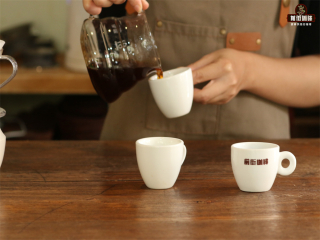
Yunnan Tiekka Coffee Flavor Description Processing Method Characteristics Variety Producing Area Taste Introduction
Yunnan coffee beans can rely on this national strategy to change the transportation mode of coffee raw materials from Malacca Strait to land transportation from Yunnan to Xinjiang to Europe, which can not only save 1/3 of the transportation time, but also alleviate the problems such as coffee moisture caused by sea transportation. You can use this thread

Flavor description of Bolivian Rosa Coffee Bean Story of Bolivian Rosa Variety producing area
The early Bolivian coffee was of low quality and the market was very poor. Usually the picked coffee fruit is bumped all the way to the processing plant after a simple peeling treatment. Due to the imperfect infrastructure, the traffic is underdeveloped. Coffee farmers have to overcome the rugged mountain road and transport the beans to the higher altitude area of La Paz for washing. If the coffee fruit can not be delivered to the processing in time
How to store raw beans and coffee beans
The following are the most commonly used packaging methods: sacks are the most common and economical choice for packing and transporting raw beans, jute is a renewable resource, and sacks are cheap and do not require special skills or equipment beyond the capabilities of ordinary mills and export points. However, sacks cannot isolate moisture and odor, so the transferred coffee beans are easily affected during storage and transportation.

Brazilian Bolivian coffee bean flavor characteristics taste different Brazilian coffee planting history story
For more information on coffee beans, please follow the coffee workshop (Wechat official account cafe_style) Coffee from Brazil is compared with coffee from other places < 1 > Coffee in Taiwan is a very suitable place for coffee growth because of its mild climate, abundant rainfall and many high mountains on the Tropic of Cancer. In 1884, the British were introduced into the three Gorges in Taipei for trial planting, during the Japanese occupation era, Japan.

How to make Blue Mountain Coffee? Description of the variety of Blue Mountain Coffee, Tieka.
Professional coffee knowledge exchange more coffee bean information please pay attention to the coffee workshop (Wechat official account cafe_style) Jamaica Blue Mountain Coffee is a small quantity and good quality Typica, belongs to the best variety in Arabica, the annual harvest time is from June to November, usually by hand picking, after picking, it goes through the process of washing, peeling, fermentation, dehydration, drying, shelling, baking and so on.

Bolivian boutique coffee beans with sour taste of citrus fruits: an introduction to the characteristics of the manor area
The legal capital, the seat of the Supreme Court, with a population of 284000, 2790 meters above sea level. Founded in 1538, the city was formerly known as Chuquisaka. The city witnessed the first uprising in South America against Spanish rule in 1809. Bolivia declared its independence here in 1825 and became the capital in 1826. In 1839, it was renamed Sucre to commemorate the second president of Bolivia, General Antonio Jos é Sucre.

Mocha Coffee-History
Mocha gets its name from the famous port of Mocha. Transportation in East Africa was very underdeveloped in the 15th century, but it produced the world's most precious coffee beans, which were gathered in the Yemeni port of Mocha and shipped to Europe. Today, the port of Mocha has retreated inland due to the accumulation of silt, while emerging ports, including Mombasa and Durban, have replaced the port of Mocha.

High quality, sour rich Bolivian coffee plantation flavor varieties
The legal capital, seat of the Supreme Court, has a population of 284,000 and an altitude of 2790 meters. Founded in 1538, the city was formerly known as Chuquisaca. In 1809 the city was the scene of South America's first insurrection against Spanish rule. Bolivia declared independence here in 1825. It was designated as the capital in 1826. In 1839, it was renamed Sucre in honor of Bolivia's second president, General Antonio Jose Sucre.